
pdf Stir –
STIR (Vancouver) Dec 5, 2024
Have Bow Will Travel takes audiences on a sonic tour around the globe with five bowed string instruments
The concert by Sound of Dragon Society and Crossbridge Strings features the Indonesian rebab, Chinese erhu, Persian kamancheh, and the European violin and upright bass
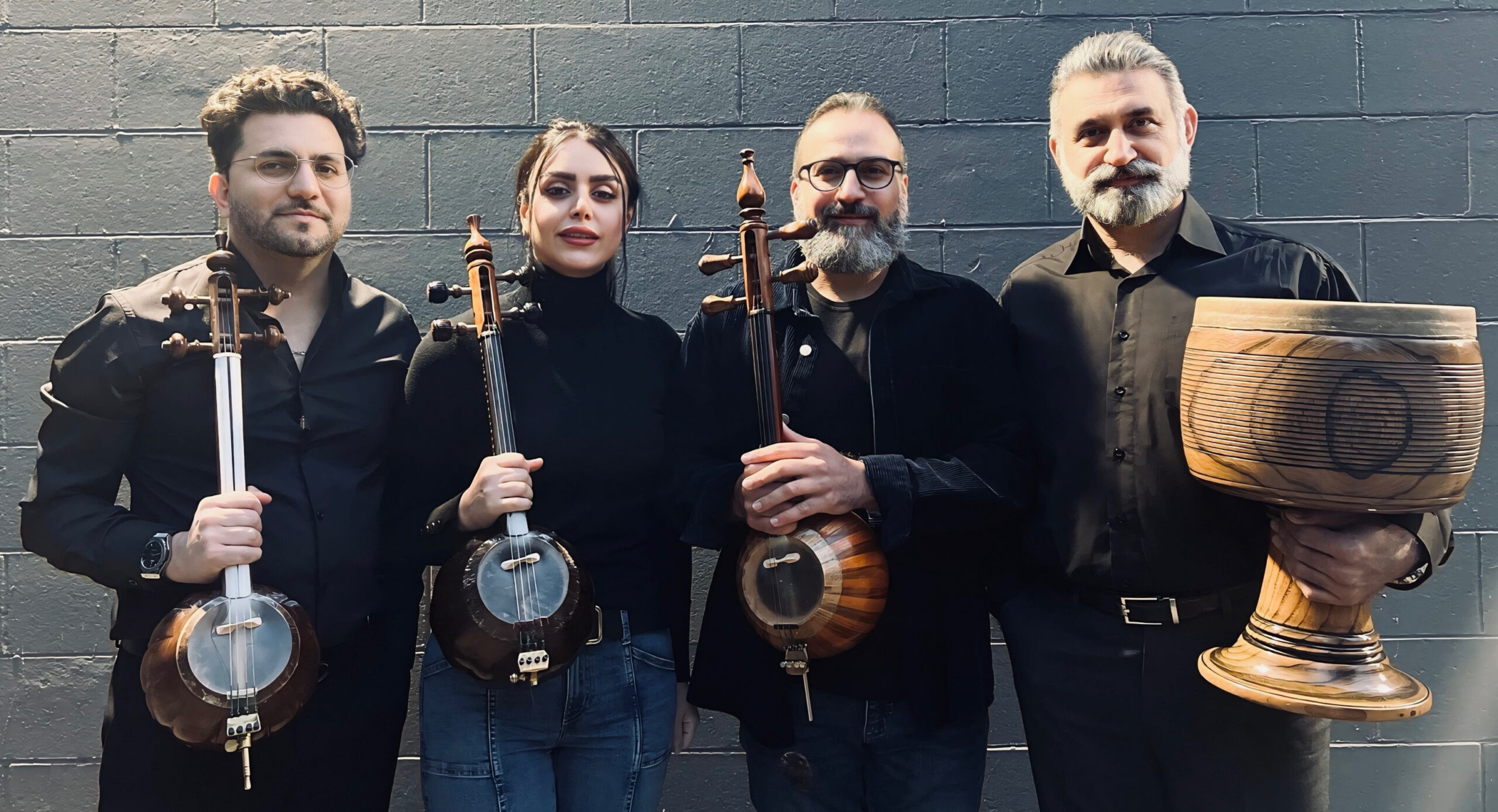
Sound of Dragon Society and Crossbridge Strings present Have Bow Will Travel on December 15 at 4 pm at the Annex
FOR SOME, THE best way to see the world would be on an extended cruise. Others mourn the Concorde, still futuristic despite having been retired 21 years ago, and capable of circling the globe in under 35 hours. The Jules Verne hero Phileas Fogg combined railroads and steamships to complete his 80-day circumnavigation. For most of us, however, art remains the easiest method of transcontinental travel, with music and film vying to offer an in-depth view of other cultures worldwide.
We’ll let the partisans of each style fight it out elsewhere, however, and simply note that an upcoming concert, Have Bow Will Travel, aims to let local residents range across the Pacific to Java, northeast to Taiwan, along the Silk Road to Persia, and then to Cremona, Italy, before returning home again—and all for little more than the cost of a concert ticket and the SkyTrain fare downtown.
Co-produced by the Sound of Dragon Society and Crossbridge Strings, Have Bow Will Travel will feature five bowed string instruments—the Indonesian rebab, Chinese erhu, Persian kamancheh, and the European violin and upright bass—in a variety of contexts, both ancient and modern. And in one piece, Tim Brady’s Concerto Etude, the event will even jet into the future through a mix of soloist Lan Tung’s erhu innovations and a backing track realized with virtual instruments.
As always, necessity was the mother of invention here.
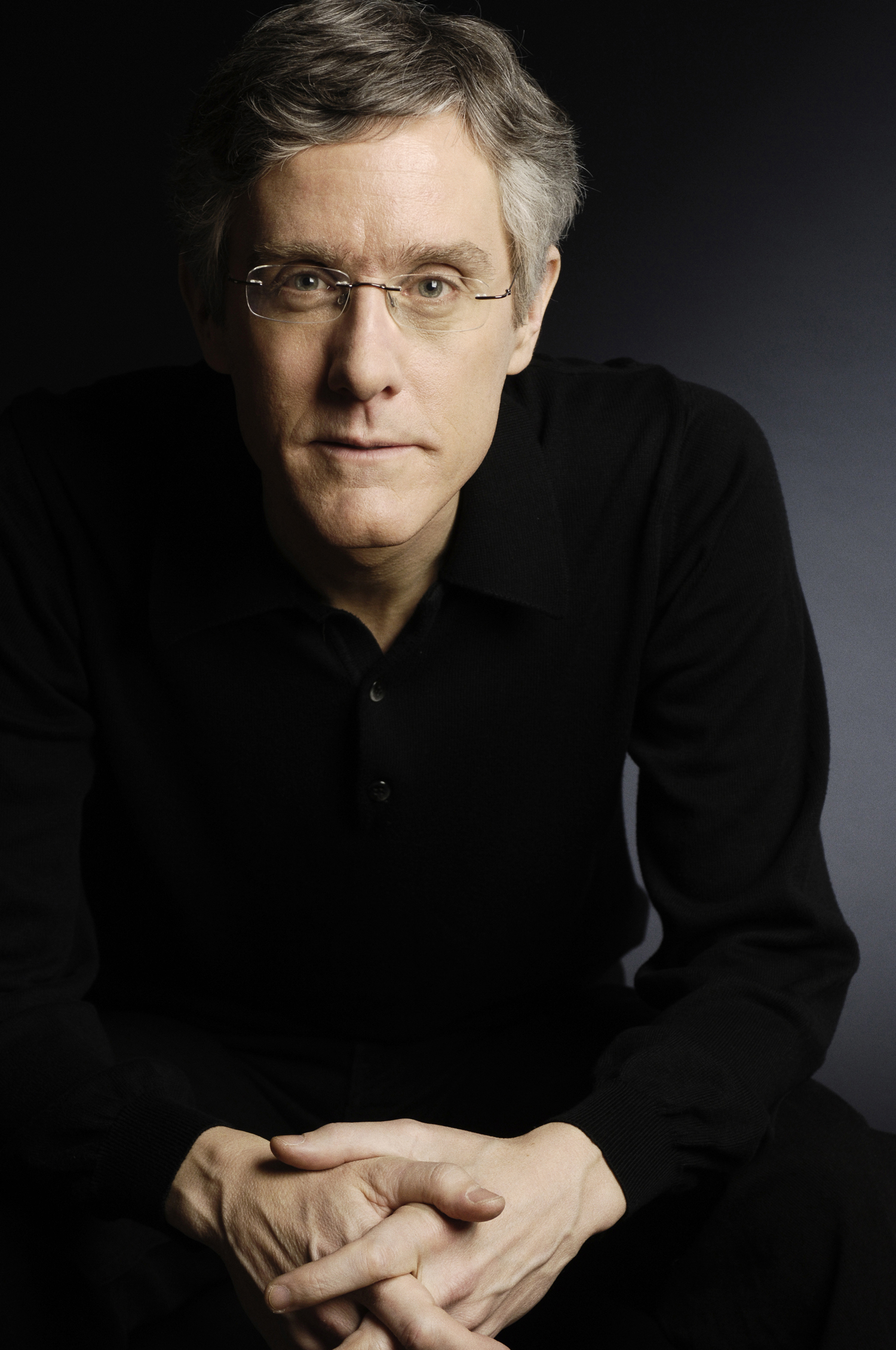
On the line from his Montreal home, Brady explains that he met the Sound of Dragon artistic director at a Canadian Music network event in Halifax, circa 2010 and the two quickly hit it off. “It was mostly that Lan was such a great player,” he notes. “It was almost secondary what instrument she played. And there was the fact that she’s interested in notation and in improvisation, which is something that I also have worked on, so we had a lot in common. We started talking about projects, and our initial project was for me to write a concerto for erhu and orchestra, using some improvisation and some written material.”
A timely proposal, you’d think, given North American arts organizations’ supposed commitment to multiculturalism. But no. “Orchestras don’t care about erhu,” Brady says sadly. “Orchestras don’t care about improvising. It was like ‘Is it a violin concerto?’ No. ‘Oh, it’s not a new cello concerto?’ No, no: there’s improvising in it. And, you know, orchestras do what they do and an improvising erhu concerto is not what orchestras do. That was the response I got. They were relatively polite and professional, but it’s clear they weren’t interested. So after that we decided ‘Well, if the orchestras don’t want us to work together, we’ll just do other things.”
Brady has since written several other pieces for Tung; Sound of Dragon will premiere the latest of them in Vancouver next spring. Concerto Etude is more like re-writing, though: it’s basically that original concerto, condensed and reconfigured for erhu, Brady’s own pre-recorded electric guitars, and digital orchestra. And yet it’s more than a sketch of the concerto that never was: it’s also a road map for where Brady’s focus might land in the future.
Like many contemporary composers, Brady’s been working with the Sibelius notation program, augmented by “an effectively AI-generated orchestral sampling program called NotePerformer”. The latter, he adds, is a cost-effective and expedient tool for creating demo versions of scores intended to be played by acoustic instruments, but beyond that it also has the capacity to unlock creative potentials beyond what acoustic instruments alone can generate.
“With the addition of live instruments, the NotePerformer stuff sounds quite credible,” he says. “And 98 percent of the population, when they’re listening to orchestral sounds in movie or film soundtracks, a lot of the time it’s digital, or sometimes a blend of digital and acoustic. I’m actually starting to think that the digital orchestra is becoming a standalone compositional medium. It’s not there yet: the big problem is that it’s really boring, live, to watch a computer scroll by bar by bar. But it’s an interesting philosophical debate.”